
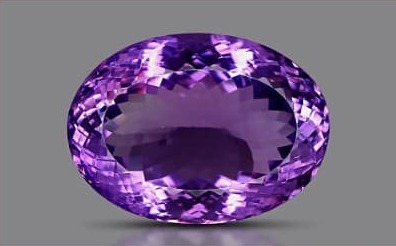
A laboratory report is the passport of a fine gemstone. Here is what each section tells you.
Identification
The species and variety — for example “natural corundum, pink sapphire” or “natural beryl, emerald”. The word natural confirms the stone was not grown in a laboratory.
Weight and dimensions
Carat weight to two decimal places and measurements in millimetres. Two stones of the same weight can face up very differently depending on cut and depth.
Treatment
Look for statements such as “heated”, “indications of heating”, “moderate clarity enhancement” or “no indications of treatment”. Treatment is not a flaw, but it affects value, so it must be disclosed.
Origin
Some laboratories give an opinion on geographic origin, such as Zambia for emerald or Madagascar for sapphire. Origin can influence rarity and price.
Verifying
Most laboratories, including IGI, GRS and AGR, allow you to verify a report number online. Every SK GEMS product page lists the laboratory and report number.